How Often Should a Central Heating System Be Power Flushed?
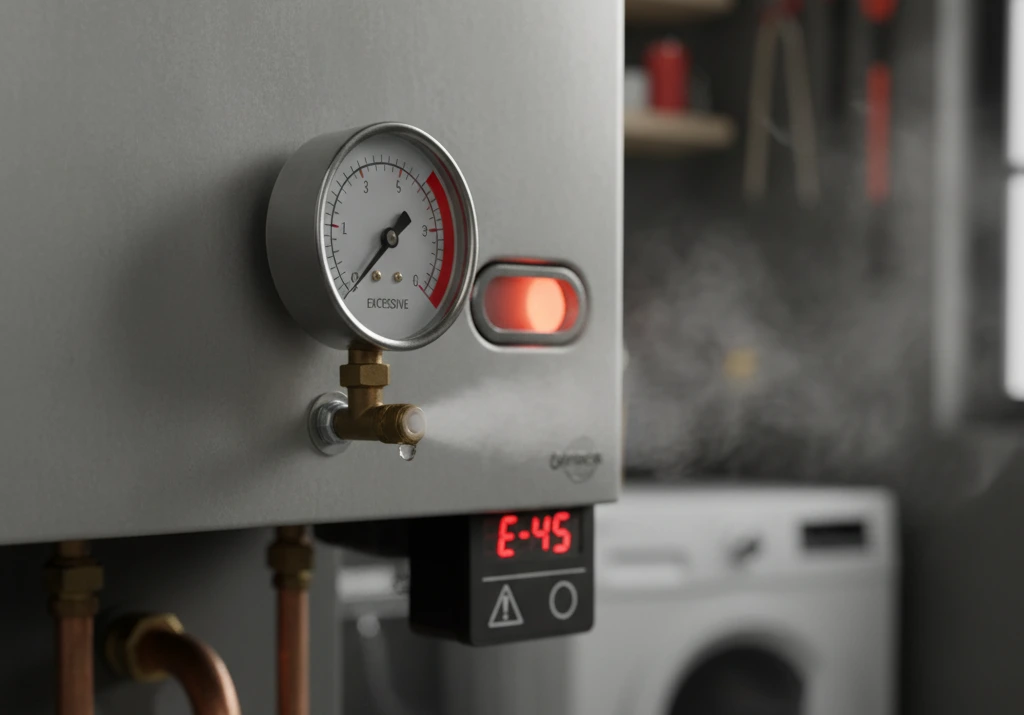
A power flush isn't scheduled by the calendar but by your system's condition. The need depends on factors like water quality, maintenance history, and visible performance issues.
Why There’s No Universal Power Flushing Schedule
Many homeowners ask for a recommended timeframe for a power flush, expecting an answer like every five or ten years. However, prescribing a fixed interval is misleading. Your central heating system is a closed loop, and its condition is influenced by unique factors including its installation quality, initial cleanliness, and your local water chemistry. Therefore, a symptom-based approach, guided by professional assessment, is the most reliable method for timing this important maintenance procedure.
Key Factors That Determine Flushing Frequency
Several variables directly impact how quickly sludge and magnetite (black iron oxide) build up in your radiators and pipework.
System Age and Installation History: Older systems, particularly those that have never been cleaned, are far more likely to harbour significant deposits. Systems installed without a thorough initial flush may also deteriorate faster.
Local Water Hardness: In areas with hard water, limescale can combine with corrosion debris, accelerating blockages and reducing heat transfer efficiency more rapidly.
Inhibitor Maintenance: A corrosion inhibitor is essential for protecting internal metals. If it has not been topped up regularly as part of an annual service, corrosion will proceed unchecked, increasing the need for a power flush.
Recognising the Symptoms That Signal a Need
Instead of marking a date on your calendar, monitor your heating system for these tell-tale signs of internal contamination.
- Cold spots on radiators, especially at the bottom, indicating sludge buildup.
- Discoloured or noisy water when bleeding radiators.
- Radiators that are slow to warm up or fail to get hot evenly.
- Increased boiler cycling or unexplained noise from the pump or boiler.
- A system that generally takes longer to heat your home, suggesting reduced overall efficiency.
When these symptoms appear, a professional power flush can restore proper circulation and heat output, often resolving the underlying performance issue.
The Role of Proactive Maintenance
While a power flush is a corrective solution for existing problems, ongoing maintenance can delay its necessity. An annual service by a qualified engineer should include checking the inhibitor concentration and topping it up if required. This simple step significantly slows the corrosion process. Furthermore, addressing minor issues like a slightly noisy pump or a single cold radiator promptly can prevent wider system contamination. Think of inhibitor as your system's first line of defence, with a power flush being the deeper restorative clean when that defence has been breached.
Making the Decision: Assessment Over Assumption
The decision to power flush should always follow a professional evaluation. A heating engineer can assess your system's history, current performance, and the factors specific to your home. They may perform tests, such as checking water clarity from a radiator. This assessment provides a factual basis for the work, ensuring it is recommended only when the benefits for system longevity and efficiency are clear. This planned, diagnostic approach aligns perfectly with maintaining a healthy, reliable heating system for the long term.
Frequently asked questions
Can I add inhibitor myself instead of getting a power flush?
Adding inhibitor is preventative maintenance, not a cure. If your system already has significant sludge causing cold radiators, inhibitor cannot remove it. A power flush cleans the system first; inhibitor is then added afterwards to protect the newly cleaned components.
Will a power flush fix a boiler that keeps breaking down?
While sludge can cause boiler faults like overheating or circulation issues, a power flush addresses system contamination, not boiler repairs. If your boiler has mechanical or electrical faults, these require separate diagnosis and repair by a specialist, which is a different service altogether.
Is a power flush necessary when installing just one new radiator?
It is often highly recommended. Installing a new radiator on a dirty system can dislodge existing sludge, which may then circulate and cause blockages elsewhere or quickly contaminate the new unit. A clean system ensures optimal performance from the new installation.