Preparing for a Heating Survey: What to Check Before the Engineer Arrives
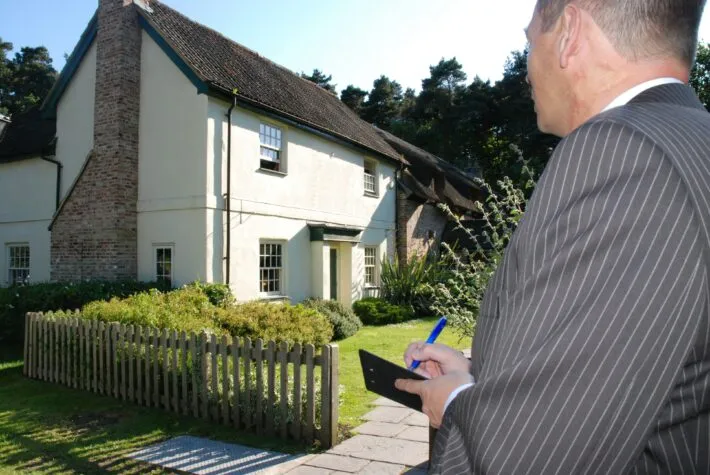
A heating survey is most effective when you're prepared. This checklist helps you gather key details about your system's performance and history before the professional arrives.
Booking a heating system survey is a proactive step toward improving your home's comfort and efficiency. To ensure the visit is as productive as possible, a little preparation on your part can make a significant difference. By gathering key information beforehand, you help the engineer understand your system's unique context, leading to more precise recommendations. This guide outlines the practical details to check, focusing on your system's performance and history.
Understanding Your System's Performance Profile
The most valuable information you can provide relates to how your heating system performs in daily use. This goes beyond simply stating it feels cold sometimes. Be specific about the patterns you observe, as this helps diagnose potential issues with flow, balancing, or radiator output.
Identifying Cold Spots and Timing
Take note of which rooms are consistently cooler than others. Is there a particular radiator that never gets properly hot, or a bedroom that feels chilly even when the heating has been on for hours? Also, consider timing: does the system struggle to heat the house in the morning, or does it take an unusually long time to reach temperature? Jotting down these observations provides a clear performance baseline.
Reviewing Your System's History and Age
The background of your central heating system is crucial for any assessment. If you know the approximate age of the boiler and the main system components, share this. An older system may have different considerations regarding efficiency and compatibility with upgrades. Also, try to recall if any major work has been done on the system itself in the past.
Previous System Maintenance
Has the system ever undergone a power flush or a rebalancing? If you have paperwork or remember a previous engineer mentioning this work, it's helpful to know. This indicates whether the pipework and radiators have been cleaned of sludge or if the system's water flow has been professionally optimised, which influences future recommendations.
Accounting for Changes to Your Home
Your heating system was originally designed for the layout and size of your home at the time of installation. Any significant structural changes can impact its ability to heat effectively. Consider if you have undertaken any projects that altered the thermal demand or layout of your property.
Renovations and Extensions
Have you added a conservatory, converted the loft, or extended the kitchen? Even removing an internal wall can change how heat circulates. If new radiators were added during this work, it's important to mention it, as the existing boiler and pump may now be under strain trying to heat a larger or reconfigured space.
Final Preparations Before the Survey
With your notes on performance, history, and home changes ready, ensure easy access on the day. Clear the area around the boiler, airing cupboard, and a few key radiators so the engineer can work safely and efficiently. Having your notes to hand will facilitate a detailed discussion and ensure no critical context is missed during the assessment.
A prepared homeowner enables a far more thorough and useful survey. By providing this context, you move beyond a generic consultation to a tailored evaluation focused on your specific system and comfort goals. This collaborative approach is the first step toward a warmer, more efficient home.
Frequently asked questions
Why is it important to note which rooms are cold before the survey?
Pinpointing specific cold rooms helps the engineer identify patterns related to system balancing, radiator sizing, or pipework issues. It directs their diagnostic checks, making the survey more targeted and efficient, rather than a general inspection.
What if I don't know the exact age of my heating system?
An approximate age or decade is perfectly useful. Look for a date on the boiler casing or check any installation paperwork. If unknown, simply stating it was installed by the previous owner or is 'very old' provides valuable context for the engineer's assessment.
Should I mention a recent new bathroom or kitchen even if no radiators were changed?
Yes. Any renovation can affect heat loss and circulation. New windows, insulation, or even removing a wall changes the home's thermal dynamics. This information helps the engineer evaluate if your current system output is still correctly matched to your property.