Signs Your Central Heating System Needs a Power Flush
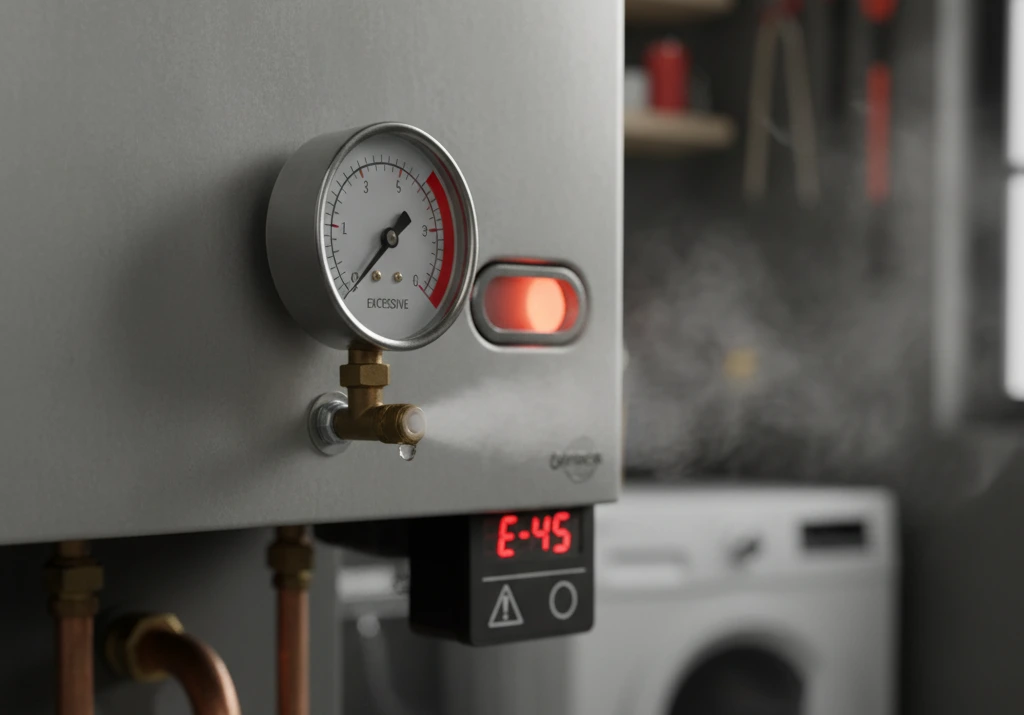
If your radiators are cold at the bottom, you're constantly bleeding them, or your heating is noisy and uneven, your system likely needs a power flush to remove sludge and restore performance.
Recognising the Key Symptoms of a Sludged-Up System
A central heating system is a closed loop, but over years, corrosion and debris inevitably build up inside. This sludge settles in the lowest points, primarily your radiators and pipework, gradually degrading performance. Spotting the early signs allows you to plan a corrective power flush before efficiency drops severely or components fail. For what the flush itself involves and what it can fix, see our power flush guide.
If your question is timing rather than symptoms, our guide to how often a central heating system should be power flushed explains why there is no fixed schedule.
Five Clear Signs Your Heating Needs a Power Flush
1. Radiators Cold at the Bottom
This is the classic symptom. Sludge is denser than water and settles at the bottom of radiators, creating a physical barrier that blocks hot water flow. Feel the radiator when the heating has been on: the top will be hot, but the bottom half remains stubbornly cold. This directly reduces the heat output of that radiator.
2. Frequent Need to Bleed Radiators
If you find yourself bleeding radiators more than once or twice a year, it's often a sign of continuous air production from corrosion (hydrogen) inside the system, not just trapped air. This 'black oxygen' is a byproduct of sludge and indicates active deterioration.
3. Discoloured or Dirty Water
If you bleed a radiator and the water is black, brown, or has visible rust particles, this is a direct visual confirmation of sludge and magnetite (black iron oxide) in the system. This gritty water accelerates wear on pumps and valves.
4. Noisy Boiler or Pump
Gurgling, kettling (a rumbling sound), or a constantly whirring or strained pump are auditory clues. Sludge causes poor water circulation, making the boiler overheat locally (kettling) and forcing the pump to work harder against blockages, leading to premature failure.
5. Uneven Heating and Slow Warm-Up
Despite a working boiler, some radiators may get hot much slower than others, or certain rooms never feel warm. This is due to restricted flow from sludge build-up in specific lines or radiators, preventing balanced heat distribution.
Why These Symptoms Matter for System Health
Ignoring these signs doesn't just mean colder rooms. The sludge acts as an insulator inside your radiators, forcing your boiler to work longer and harder to reach the desired temperature, significantly increasing fuel bills. More critically, the abrasive particles and restricted flow place excessive strain on the boiler's heat exchanger, pump, and valves, leading to costly component failures. A power flush is a planned maintenance procedure that cleanses the entire system, protecting your investment.
The Planned Solution: A Professional Power Flush
A power flush is a non-invasive cleaning process. A qualified engineer connects a powerful pumping unit to your system, circulating a cleansing chemical at high velocity to dislodge sludge, rust, and debris from every radiator and pipe. The contaminated fluid is then completely flushed out and replaced with clean water and fresh inhibitor. The result is restored heat output, quiet operation, improved boiler efficiency, and long-term protection for your entire central heating system.
If these symptoms sound familiar, our guide to what a power flush costs in London explains the price, and how long a power flush takes covers the day itself. When you are ready, our power flushing service starts with a free survey.
Frequently asked questions
Can I perform a power flush myself with a DIY kit?
While DIY kits exist, a professional power flush uses more powerful equipment and controlled processes to ensure thorough cleansing of the entire system, including the boiler heat exchanger. Incorrect chemical use or inadequate flushing can cause damage or leave sludge behind.
Will a power flush fix a boiler that is already broken down?
No. A power flush is a maintenance and restoration procedure for the water-carrying parts of the system (radiators, pipes). It is not a boiler repair service. If your boiler has faulted or broken down, that requires separate diagnostic repair work first.
Is a power flush disruptive and does it make a mess?
A professionally conducted power flush is a clean, planned procedure. Engineers use containment mats and connect directly to system drain points. The work is contained, and while radiators are flushed individually, there is typically no damage to your décor when performed by a specialist.