Can You Add Underfloor Heating to One Room on an Existing System?
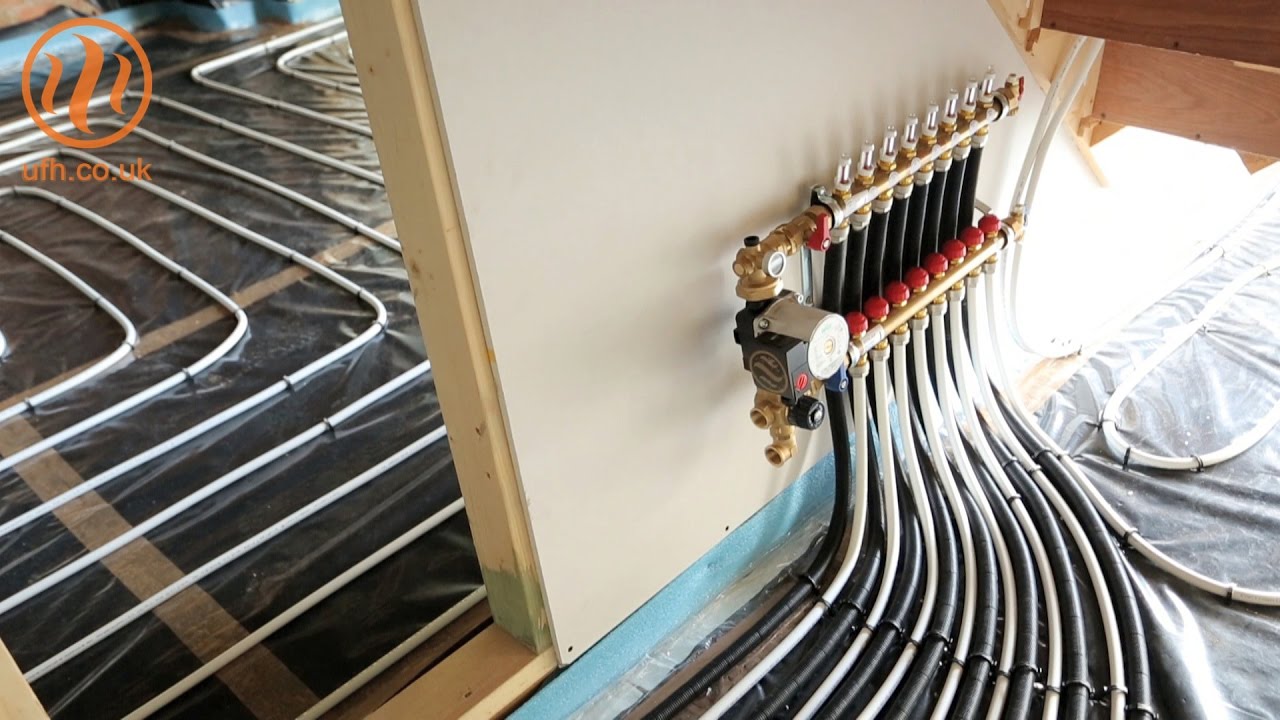
Yes. You can add underfloor heating to a single room and run it from your existing central heating, with its own zone and thermostat on the manifold. Your radiators carry on as before. Kitchens, bathrooms and extensions are the usual rooms.
Adding Underfloor Heating to a Single Room is Entirely Feasible
Many homeowners considering an upgrade assume underfloor heating must be a whole-house commitment. The reality is that adding underfloor heating to just one room is a common and practical project. This approach allows you to enjoy the luxurious, even heat of underfloor systems where you want it most, while your existing radiators continue to heat the rest of your home efficiently. The key lies in intelligent system design and proper zoning.
How Zoning Makes Single-Room Installations Work
The heart of any wet (hydronic) underfloor heating system is the manifold. This is the control centre that distributes warm water from your boiler to the pipe circuits in the floor. To add underfloor heating to a single room, your heating engineer will install a dedicated zone on the manifold for that new circuit. This zone is controlled by its own thermostat and actuator valves. When the thermostat calls for heat, the manifold directs warm water only through the pipes in that specific room. The rest of your home's heating zones, typically controlling radiators, operate completely independently and are unaffected.
Why Kitchens, Bathrooms and Extensions Are Top Choices
There are compelling reasons why certain rooms are the most frequent candidates for a single-room underfloor heating installation.
- Kitchen Extensions: A new kitchen extension is a blank canvas, making it the ideal time to install underfloor heating before the floor is finished. It also eliminates the need to plan around bulky radiators in a space where wall and floor space is at a premium.
- Bathrooms: The comfort of warm tiles underfoot is a significant luxury. Underfloor heating also dries the floor quickly, improves hygiene, and frees up wall space where a towel radiator might traditionally go.
- Other Single Rooms: Conservatories, ground-floor living rooms, or basement conversions are also popular choices where creating a distinct, comfortable zone is desirable.
In all these cases, the project integrates the new underfloor heating zone with your existing boiler and central heating system, ensuring a cohesive and controlled heating setup.
Your Existing Radiators Will Continue Unaffected
A primary concern for homeowners is whether this change will disrupt their current heating. The answer is a clear no. When installed correctly by a specialist, the new underfloor heating zone is simply added as another circuit to your system. Your boiler will supply heat to it as needed, just as it does for your radiator circuits. The radiators in the rest of your home will still be controlled by their own thermostats and timers, coming on and off as they always have. The systems work in parallel, not in conflict.
Planning Your Single-Room Installation
Success depends on careful planning. A specialist will assess your boiler’s capacity to ensure it can handle the additional load, though for a single room this is rarely an issue. They will also determine the best floor construction method—whether it’s a screed system for new builds or a low-profile system for retrofits—to minimise floor height increase. Finally, they will commission the system, balancing the flow rates at the manifold so your new underfloor heating and existing radiators all perform optimally. The result is a seamless addition that brings targeted comfort to your chosen space.
For more on how the new circuit connects to what you already have, see our guide to whether underfloor heating works with your existing boiler. If you are comparing systems for one room, wet versus electric underfloor heating costs sets out the trade-offs.
Thinking about underfloor heating for one room? We check the boiler, pipework and floor build-up on a survey and quote a fixed price. See our underfloor heating installation service. Book a free survey and you will get a fixed written quote before any work is agreed.
Frequently asked questions
Does installing underfloor heating in one room require replacing my boiler?
Typically, no. Most modern boilers have sufficient capacity to supply an additional single-room circuit. A specialist will assess your boiler’s output during the survey to confirm it can handle the extra demand without affecting the performance of your existing radiators.
Can I control the underfloor heating in the new room independently from my radiators?
Absolutely. The new room will have its own thermostat, allowing you to set a different temperature and schedule for that space. This separate zoning means you can have warm floors in the bathroom in the morning while the rest of the house remains at a lower temperature.
How much will the floor level rise, especially in a retrofit?
Floor build-up varies by system. Low-profile retrofit solutions are designed to minimise height increase, often adding as little as 15-20mm. Your installer will recommend the best system based on your existing floor structure and the desired finish, such as tiles or engineered wood.